10 Nigerian Beauty Brands Creating Products for African Skin and Hair
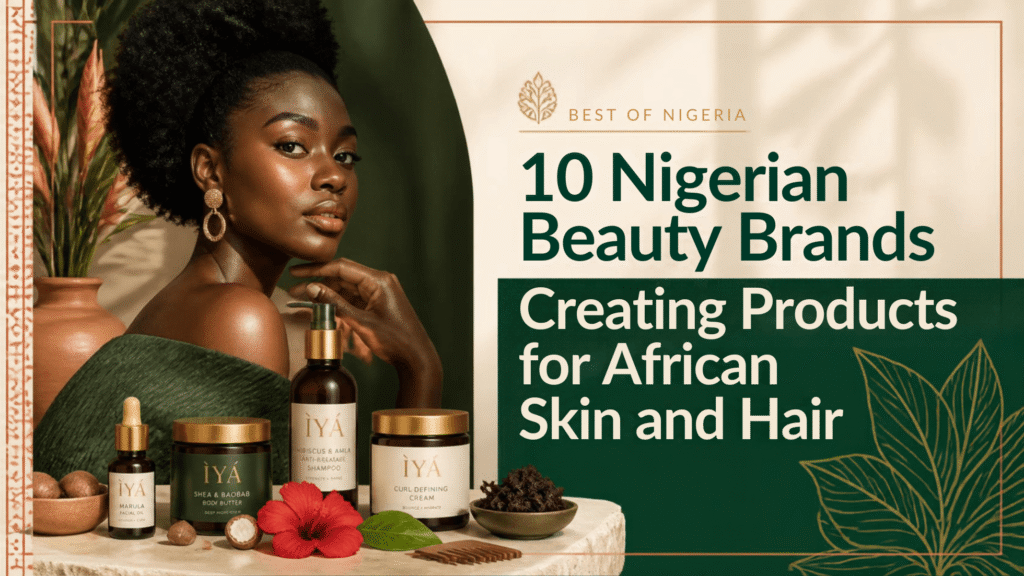
Nigeria’s beauty industry is no longer just about importing international products and hoping they work for everyone.
A growing generation of Nigerian beauty brands is building products around the realities of African consumers — from melanin-rich skin and deeper foundation shades to textured hair, dry skin, tropical weather and the ingredients that have been part of African beauty traditions for generations.
Some are focused on makeup. Others are building skincare, body care or natural hair ranges. Some combine indigenous ingredients such as shea butter, black soap and African botanicals with modern formulation techniques.
What connects them is a simple idea: African beauty does not have to be an afterthought.
Here are 10 Nigerian beauty brands worth knowing.
1. House of Tara
House of Tara is one of the foundational names in Nigeria’s modern beauty industry.
Founded by Tara Fela-Durotoye in 1998, the brand began as a makeup studio and beauty school before developing its own product line. Today, House of Tara offers makeup and beauty products designed for a wide range of skin tones, alongside its studios, training programmes and beauty representative network.
Its foundation and complexion products are particularly significant in a market where finding suitable shades for deeper skin tones has historically been difficult.
But House of Tara’s influence goes beyond products. It helped establish makeup artistry as a serious profession and business in Nigeria while creating a distinctly African beauty identity.
The brand’s current philosophy remains centred on celebrating African women rather than forcing them into beauty standards designed elsewhere.
Why it stands out: It helped build the Nigerian beauty industry itself while continuing to develop products around diverse African skin tones.
2. Zaron Cosmetics
Zaron Cosmetics has spent more than a decade building a beauty brand around women of colour.
The brand began operations in Lagos in 2011 and has developed a broad range of makeup and lifestyle products. Its portfolio is designed around the needs of people of colour, with products developed to suit different environmental conditions and skin tones.
Zaron has also expanded beyond traditional makeup into hair and skincare through its wider beauty business.
That combination matters because African beauty consumers are not looking for one category of product. They want brands that understand the entire routine — complexion, lips, hair, skincare and personal care.
Zaron’s longevity is part of its story. In an industry where beauty brands appear and disappear quickly, it has remained a recognisable Nigerian name for years.
Why it stands out: It built a large-scale Nigerian beauty business around the needs and buying power of women of colour.
3. Nuban Beauty
Nuban Beauty represents a newer generation of Nigerian beauty brands combining cosmetics with skincare.
Founded by Stella Ndekile, Nuban began with makeup and has evolved into a broader beauty business. Its current range includes complexion products, eye and lip products, tools and skincare.
The brand’s approach is particularly interesting when it comes to complexion. Its foundation range uses names connected to notable African women and offers shades across fair, medium and deeper complexions.
Nuban has also developed Nuban Cares, its skincare arm, bringing a more science-led approach to concerns such as acne, uneven skin tone and skin-barrier care.
The result is a brand that sits somewhere between traditional Nigerian makeup culture and the growing demand for evidence-informed skincare.
Why it stands out: Nuban is building a bridge between makeup, skincare and technology while keeping melanin-rich skin at the centre.
4. Arami Essentials
Arami Essentials takes a different approach.
Rather than trying to create an enormous catalogue, the Lagos-founded brand has built its identity around modern body care and African ingredients.
Founded by Ore Lawani in 2016, Arami takes its name from the Yoruba words associated with “my body.” The brand’s philosophy is centred on creating products people will actually finish, replace and incorporate into their routines.
Its formulations combine African ingredients with modern formulation approaches, positioning ingredients such as shea and botanical oils as functional beauty ingredients rather than simply cultural symbols.
That distinction is important.
African ingredients have long been exported and used by international beauty companies. Arami’s model is part of a wider movement towards African brands turning those ingredients into finished products with their own identities.
Why it stands out: Arami makes African ingredients feel contemporary, premium and relevant to everyday beauty routines.
5. Natural Nigerian
Natural Nigerian is one of the brands that helped shape Nigeria’s natural-hair conversation.
The business began in 2011 alongside a blog documenting the experience of caring for natural hair in Nigeria at a time when much of the available information was coming from the United States and United Kingdom and did not necessarily account for Nigerian weather, products or access to salons.
The brand eventually developed its own range of hair and skincare products.
Its current hair collection includes products such as deep conditioners, flaxseed gel, leave-in conditioners and shea-based treatments. It also sells black soaps, body products and baby-care products.
One of the most interesting things about Natural Nigerian is its emphasis on local ethnobotanical ingredients and research. The company describes itself as a science-led personal-care business and was built by a qualified chemist.
That combination of natural ingredients and formulation knowledge gives the brand a different position from simply selling traditional oils and butters.
Why it stands out: It helped translate the realities of Nigerian natural hair into products and information created specifically for the local market.
6. Shea Tribe
Shea Tribe is built around one of West Africa’s most recognisable beauty ingredients: shea butter.
The Nigerian brand makes skin and hair products using botanical ingredients and describes its products as handmade in Nigeria.
Its range currently extends across body care, skincare and haircare, including shea and cocoa body butter, body oils, scrubs, cleansers and hair oils.
The brand also connects its business to women in Oyo State involved in producing shea butter, making the supply chain part of the brand story rather than simply treating shea as another ingredient.
Its approach shows how a familiar Nigerian raw material can be turned into a modern consumer product with packaging, positioning and a lifestyle identity.
Why it stands out: Shea Tribe turns a traditional African ingredient into a broader modern beauty and self-care experience.
7. R&R Skincare
R&R Skincare has one of the more interesting African beauty stories.
Founded by Valerie Obaze in 2010, the business started after she moved to Lagos and struggled to find natural products she was comfortable using on her newborn daughter.
That experience eventually led to a brand built around African botanical ingredients, including shea and black soap.
Although R&R began its story in Nigeria, the brand is now based in Ghana, where its products are made and its supply chain is located. Its Nigerian origins remain an important part of its story.
Today, R&R focuses on relatively simple formulations and products such as shea body oil, liquid black soap and baobab oil. The brand has also developed refill options and hospitality products.
Its story reflects something bigger happening across African beauty: the movement from exporting raw materials to creating finished African beauty products with their own brands and identities.
Why it stands out: R&R demonstrates how African ingredients can become the foundation of a scalable beauty business rather than simply commodities.
8. Ahumma
Ahumma is one of the newer names on Nigeria’s premium body-care scene.
Born in Nigeria and made in Lagos, the brand is focused specifically on Black and brown skin and takes a deliberately simple approach to body care.
Its current collection includes rich body butters and liquid African black soap. Ingredients include shea butter, mango butter, cocoa butter, jojoba oil, avocado oil and African black soap.
But the brand’s positioning is as important as its ingredients.
Ahumma rejects the idea that darker skin needs to be “fixed” or changed to be beautiful. Instead, it positions body care around nourishment, moisture, ritual and appreciation of the skin someone already has.
That puts it firmly within a newer generation of African beauty brands that are moving away from colourism and towards skin health and self-acceptance.
Why it stands out: Ahumma combines African beauty heritage with a contemporary premium body-care experience built specifically around Black and brown skin.
9. Kuddy Cosmetics
Kuddy Cosmetics is one of the more established names in Nigerian beauty retail, but its story goes beyond simply selling other people’s products.
The business dates back to 1984 and has grown into a major beauty retailer with skincare, makeup, hair care, fragrance and body-care products.
Kuddy has also moved into manufacturing its own cosmetics, drawing on decades of understanding Nigerian consumers and their different skin shades, tones and beauty needs.
That gives the company an unusual position in the market.
It can operate both as a marketplace for international beauty brands and as a Nigerian manufacturer developing products for its own consumers.
Its current beauty ecosystem also includes shade matching, skincare routines, hair-care guidance and physical stores.
Why it stands out: Kuddy shows how a Nigerian beauty retailer can evolve into a manufacturer while maintaining a deep understanding of the local market.
10. Ajali Handmade Naturals
Ajali Handmade Naturals is part of the earlier wave of Nigerian indie beauty brands that built their identities around natural ingredients and local production.
Founded by Ifeyinwa Ojekwe in 2013, Ajali developed a range of handmade beauty products using ingredients associated with African and Nigerian skincare traditions.
Its products have included body butters, scrubs, soaps, oils and hair-care products, with an emphasis on locally sourced ingredients and handmade production.
Ajali’s story is particularly relevant to the wider Nigerian beauty industry because it demonstrates how much can be done with relatively familiar ingredients.
Shea butter, cocoa butter, coconut oil, black soap and botanical oils may be traditional ingredients, but the opportunity lies in how they are formulated, packaged, positioned and delivered to consumers.
Why it stands out: Ajali helped show that Nigerian natural beauty products could become a serious consumer brand rather than remaining informal homemade remedies.
Why These Brands Matter
The Nigerian beauty industry is changing because consumers are becoming more demanding.
People want products that understand their skin tones. They want hair products that recognise the complexity of textured hair. They want ingredients they can understand. They want better packaging, better formulation and better customer experiences.
And increasingly, they want African brands to tell African stories.
That does not mean every Nigerian beauty product has to contain shea butter or black soap. Nor does being African automatically make a product better.
The more important shift is who gets to define the problem and develop the solution.
A Nigerian founder looking at Nigerian skin, Nigerian hair, Nigerian weather, local beauty habits and African ingredients starts from a different place from a company designing for a completely different market and adapting later.
That creates room for innovation.
It also creates a major commercial opportunity.
Nigeria has the raw materials, the consumer market, the creative talent and the entrepreneurial energy to build beauty companies that compete beyond the country.
The next stage will be about formulation science, manufacturing capacity, regulatory compliance, distribution and international expansion.
The brands already building in that direction are showing what Nigerian beauty can look like when local knowledge becomes a competitive advantage.
The Bigger Opportunity for Nigerian Beauty
Nigeria’s beauty story should not end with exporting shea butter, oils and other raw materials.
There is more value in turning those resources into finished products, building intellectual property around formulations, developing strong brands and selling them to customers in Africa and around the world.
That is what makes this new generation of beauty businesses worth watching.
They are not simply making products for African skin and hair.
They are helping define what African beauty looks like on its own terms.
