How to Start a Podcast in Nigeria: Equipment, Costs and Ways to Grow
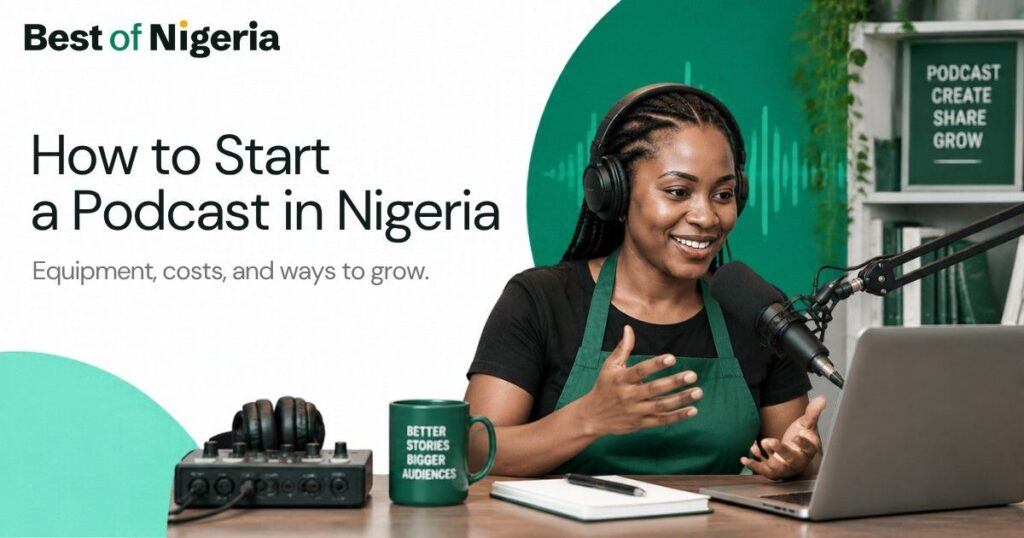
Podcasting is becoming an increasingly interesting opportunity for Nigerians who want to share ideas, tell stories, build communities and create content around subjects they are passionate about.
From business and entrepreneurship to entertainment, politics, technology, relationships and personal development, podcasts provide an opportunity to have deeper conversations with audiences who want more than short social media posts.
For aspiring Nigerian podcasters, there are also opportunities to turn a podcast into a business through sponsorships, advertising, partnerships, premium content and other revenue streams.
One of the biggest misconceptions about starting a podcast is that you need an expensive studio, professional cameras and sophisticated recording equipment before you can get started. In reality, you can launch a podcast with a smartphone, a decent microphone and a quiet recording environment.
What matters most is having something valuable to say, understanding your target audience and publishing consistently.
If you are considering starting a podcast, this guide explains how to get started in Nigeria, the equipment you need, estimated startup costs, platforms for publishing your episodes and practical ways to grow your audience.
1. Choose a Podcast Niche and Define Your Audience
Before purchasing equipment or setting up a recording space, decide what your podcast will be about.
A podcast without a clear direction can quickly become difficult to grow because potential listeners may not understand what to expect from it.
Start by identifying subjects you understand, enjoy discussing or have experience with.
Here are some podcast niches you can explore in Nigeria:
a. Business and Entrepreneurship
Discuss business opportunities, startup experiences, marketing, investment, leadership and the challenges of running businesses in Nigeria.
You can interview entrepreneurs, business owners, investors and professionals who have practical experiences to share.
b. Entertainment and Pop Culture
Cover Nigerian music, Nollywood, celebrity culture, entertainment news and conversations about popular trends.
This category can work particularly well when you have interesting opinions, access to industry personalities or an understanding of Nigerian entertainment.
c. Personal Finance
Discuss saving, budgeting, investing, financial literacy, entrepreneurship and money management.
You can invite financial professionals and experienced investors to educate listeners about managing money.
d. Relationships and Lifestyle
Explore relationships, marriage, family, friendships, personal experiences and everyday lifestyle issues.
This niche provides opportunities for conversations that encourage audience participation and community building.
e. Technology and Innovation
Discuss technology trends, artificial intelligence, startups, digital products, software and the Nigerian technology ecosystem.
You can interview founders, developers, technology professionals and other people building products.
f. Nigerian Stories and Culture
Explore Nigerian history, local communities, traditions, food, tourism, music and the experiences of ordinary Nigerians.
There are many interesting stories across the country that deserve to be documented and shared.
A useful tip: Rather than creating a podcast that covers everything, start with a clear subject and a specific audience. You can expand your coverage as your audience grows.
2. Decide on Your Podcast Format
Once you have selected your niche, determine how you want to present your podcast.
Your format influences the equipment you need, the amount of time required to produce episodes and how you plan your content.
Here are some common podcast formats.
a. Solo Podcast
This format involves one person discussing a particular subject.
It is suitable for people who enjoy sharing opinions, teaching, analysing trends or telling stories.
The advantage is that you do not need to coordinate recording schedules with guests.
b. Interview Podcast
An interview podcast involves inviting guests to discuss specific topics.
You can interview business owners, public figures, professionals, entertainers and people with interesting experiences.
This format can also help you reach new audiences when guests share episodes with their communities.
c. Co-Hosted Podcast
A co-hosted podcast features two or more presenters discussing different subjects.
It can create more engaging conversations, especially when the hosts have different perspectives and personalities.
However, you need to establish a consistent recording schedule and clear responsibilities.
d. Panel Discussion
Panel podcasts involve multiple guests discussing a subject.
They are useful for conversations about business, politics, technology, entertainment and social issues.
e. Video Podcast
Video podcasting combines audio conversations with video recordings.
It allows you to publish full episodes on platforms such as YouTube while extracting shorter clips for TikTok, Instagram and Facebook.
For Nigerian creators who want to build a recognisable media brand, video podcasting offers additional opportunities for audience discovery and visual storytelling.
3. Get the Equipment You Need to Start
You do not need to purchase everything at once. Start with equipment that provides acceptable audio quality and upgrade as your podcast grows.
Here is a breakdown of the essential equipment.
a. Microphone
The microphone is one of the most important investments you will make.
A good microphone helps capture clear speech while reducing unwanted background noise.
Some microphones worth considering include:
- FIFINE K688.
- Audio-Technica ATR2100x-USB.
- RØDE PodMic USB.
- Samson Q2U.
For beginners, a USB microphone can be convenient because it connects directly to a computer without requiring a separate audio interface.
If you plan to record multiple people, consider microphones that can accommodate separate speakers.
b. Headphones
Headphones help you monitor audio while recording and identify issues such as background noise, microphone distortion and inconsistent volume.
You do not necessarily need expensive studio headphones when starting.
Consider options such as:
- Audio-Technica ATH-M20x.
- Sony MDR-7506.
- AKG K52.
c. Laptop or Smartphone
You need a device to record, edit and manage your podcast episodes.
A laptop provides more flexibility for audio editing and video production.
However, you can also start with a smartphone, particularly if you are recording simple interviews or using mobile recording applications.
d. Microphone Stand and Pop Filter
A microphone stand helps position your microphone correctly, while a pop filter reduces unwanted popping sounds caused by certain speech sounds.
These accessories are relatively inexpensive but can improve the recording experience.
e. Camera and Lighting for Video Podcasts
If you want to publish video podcasts, you need a camera or smartphone capable of recording good-quality video.
You can start with:
- A modern smartphone.
- A mirrorless camera.
- A DSLR camera.
- A webcam.
For lighting, consider an LED panel, softbox or ring light.
Good lighting and a clean recording background can make even a simple recording space look professional.
f. Internet Connection and Power Supply
In Nigeria, internet connectivity and electricity should be considered when planning your podcast production.
You need a reliable internet connection to upload large audio and video files.
Depending on your recording location, you may also need a power bank, inverter or backup power solution to avoid interruptions.
4. How Much Does It Cost to Start a Podcast in Nigeria?
The cost of starting a podcast depends on whether you want an audio-only show, a video podcast or a fully equipped recording studio.
You can start small and upgrade your equipment as your audience and revenue grow.
The following are illustrative planning budgets, not verified November 2026 retail quotations.
| Setup | Estimated starting budget |
|---|---|
| Smartphone-based audio podcast | ₦50,000–₦150,000 |
| Basic microphone and laptop setup | ₦150,000–₦350,000 |
| Entry-level video podcast | ₦350,000–₦800,000 |
| More professional podcast setup | ₦800,000–₦2,000,000+ |
These estimates may exclude an existing laptop or smartphone, studio rental, recurring internet costs and other operational expenses.
What Should You Buy First?
If you have limited capital, prioritise the following:
- A reliable microphone.
- Headphones.
- A microphone stand.
- Recording and editing software.
- A suitable recording environment.
You can use an existing smartphone or laptop instead of buying a new one immediately.
Avoid spending heavily on cameras, studio furniture and decoration before establishing that you can consistently produce interesting episodes.
5. Find a Suitable Recording Location
Your recording environment has a significant impact on audio quality.
You do not need a large studio to record a podcast. A quiet room in your home can be sufficient.
However, pay attention to the following:
- Choose a room away from traffic and noisy environments.
- Avoid rooms with excessive echo.
- Close windows and doors when recording.
- Turn off noisy fans and appliances where possible.
- Use curtains, rugs and soft furnishings to reduce sound reflections.
- Position microphones correctly.
If you do not have a suitable recording space, consider renting a podcast studio.
Studio rental can be particularly useful when you are interviewing guests or producing video episodes that require multiple cameras and microphones.
6. Choose Your Podcast Recording and Editing Software
You need software to record, edit and prepare your podcast episodes for publication.
Fortunately, there are several free and paid options available.
a. Audacity
It is suitable for beginners who want to record conversations, remove unwanted sections, adjust audio levels and export finished episodes.
Website: https://www.audacityteam.org/
b. GarageBand
It is a useful option for podcasters using a Mac, iPhone or iPad.
Website: https://www.apple.com/mac/garageband/
c. Adobe Audition
It can be useful when you want greater control over audio quality and production.
Website: https://www.adobe.com/products/audition.html
d. Riverside
It allows hosts and guests to record remotely, making it useful when your guests are in different cities or countries.
Website: https://riverside.fm/
e. CapCut
You can add subtitles, remove unnecessary sections, create vertical videos and prepare content for social media.
Website: https://www.capcut.com/
7. Choose Where to Publish Your Podcast
After recording and editing your first episode, you need a platform where people can discover and listen to it.
Several platforms allow podcasters to distribute their content to audiences in Nigeria and internationally.
a. Spotify
Through Spotify for Creators, eligible podcasters can publish episodes, manage their shows and access audience analytics.
Website: https://creators.spotify.com/
b. Apple Podcasts
You can submit your show through Apple Podcasts Connect using a supported podcast RSS feed.
Website: https://podcastsconnect.apple.com/
c. YouTube
You can upload complete episodes, publish Shorts and create playlists around different podcast topics.
YouTube also provides an opportunity to reach people who may not actively search for podcasts on dedicated audio platforms.
Website: https://www.youtube.com/
d. Audiomack
It may provide another distribution channel worth exploring, subject to its current podcast publishing options.
Website: https://audiomack.com/
Important: You do not need to upload episodes manually to every platform. Podcast hosting services can distribute your episodes through an RSS feed to supported listening platforms.
8. Create a Strong Podcast Brand
Your podcast needs an identity that people can recognise.
Think about the name, visual presentation, tone of conversation and the type of experience you want listeners to associate with your show.
Some important branding elements include:
a. Podcast Name
Choose a name that is memorable, relevant to your subject and easy to pronounce.
Avoid unnecessarily complicated names that listeners may struggle to remember or search for.
b. Podcast Artwork
Your podcast artwork is one of the first things potential listeners see.
It should communicate the identity of your show and remain readable when displayed as a small thumbnail.
c. Intro and Outro
Create a short introduction that tells listeners what the podcast is about.
You can also develop a consistent outro that encourages listeners to follow the show, share episodes and engage with your content.
Use music and sound effects that you have the rights to use.
d. Description
Write a clear description explaining:
- What the podcast discusses.
- Who it is designed for.
- What listeners can expect.
- How frequently new episodes are published.
Consistency across your social media pages and podcast platforms will help establish a recognisable brand.
9. How to Grow Your Podcast Audience in Nigeria
Publishing episodes is only one part of podcasting. You also need a distribution strategy that helps people discover your content.
Many new podcasters make the mistake of recording an episode, uploading it and waiting for listeners to find it.
A better approach is to treat every podcast episode as a source of multiple content opportunities.
1. Repurpose Podcast Episodes Into Short Videos
One of the most practical ways to grow a podcast is by turning longer conversations into short-form videos.
For example, a 45-minute interview can produce several short videos featuring interesting opinions, surprising statements, useful advice and memorable moments.
Publish these clips on:
- TikTok.
- Instagram Reels.
- Facebook Reels.
- YouTube Shorts.
- X.
Each clip should offer enough value to attract attention while giving viewers a reason to discover the full episode.
2. Invite Interesting Guests
Guests can help you reach audiences outside your existing following.
Invite people who have relevant experiences, expertise or communities.
After publishing an episode, send guests the links and selected clips so they can share the conversation with their followers.
Do not invite guests simply because they are popular. Prioritise people who can contribute something meaningful to your subject.
3. Be Consistent With Publishing
You do not have to publish episodes every day.
A weekly or biweekly schedule can work if you can maintain it.
Choose a publishing frequency that matches your available time and production resources.
Consistency helps audiences understand when to expect new episodes.
4. Build a Community Around Your Podcast
Encourage listeners to participate in conversations beyond the episodes.
You can create a WhatsApp or Telegram community where people discuss topics, suggest guests and share their experiences.
You can also use social media polls, audience questions and live discussions to make listeners feel involved.
5. Collaborate With Other Creators
Find creators who cover related subjects and explore opportunities to collaborate.
For example, a business podcast can collaborate with entrepreneurship communities, business influencers, industry associations and professional networks.
Cross-promotion can expose your podcast to people who are already interested in your subject.
6. Optimise Your Podcast for Search
Your episode titles and descriptions should clearly communicate what each episode discusses.
Instead of using generic titles such as “Episode 5” or “Interesting Conversation”, use descriptive titles that reflect the actual subject.
For example:
- How to Start a Business in Nigeria With ₦500,000.
- Why Many Nigerian Small Businesses Struggle With Cash Flow.
- How Nigerian Creators Can Make Money From Content.
You can also publish episode summaries and transcripts on a website to attract visitors through Google Search.
7. Build an Email Newsletter
Do not depend entirely on social media platforms to reach your audience.
Create an email list where listeners can receive new episode announcements, useful resources, behind-the-scenes updates and additional content.
This gives you a direct communication channel with people interested in your podcast.
10. How to Make Money From a Podcast in Nigeria
Podcasting can become a business when you build an audience that brands and other organisations want to reach.
However, monetisation usually takes time. Focus on producing valuable content and building a loyal audience before expecting significant revenue.
Here are some ways to generate income.
i. Sponsored Episodes
Brands can pay to have their products or services featured in your podcast.
For example, a financial services company may sponsor a podcast discussing personal finance, while a technology brand may sponsor a show focused on technology and innovation.
You can offer sponsorship packages covering individual episodes, multiple episodes or an entire season.
ii. Advertising and Brand Mentions
You can generate income by featuring advertisements or promotional messages within your episodes.
These can include short pre-recorded advertisements, host-read promotions and product mentions.
iii. Affiliate Marketing
Recommend relevant products and services and earn commissions when listeners make qualifying purchases through your referral links.
For example, a technology podcast can recommend software and equipment, while a business podcast can promote useful business tools.
Always disclose commercial relationships and recommend products that are genuinely relevant to your audience.
iv. YouTube Monetisation
If you publish video episodes on YouTube, you may eventually qualify for the YouTube Partner Programme.
Eligible creators can earn through advertising and other monetisation features, subject to YouTube’s requirements and country availability.
v. Premium Content and Memberships
You can offer exclusive episodes, additional interviews, private discussions and other benefits to paying subscribers.
This works best when you have a community that values your content enough to pay for additional access.
vi. Live Podcast Events
As your podcast becomes more popular, you can organise live recording sessions, audience meetups and ticketed events.
These events can create additional income while strengthening relationships with your listeners.
vii. Content Partnerships
You can partner with media companies, businesses, event organisers and other content platforms to produce sponsored podcast series or branded conversations.
For some podcasters, these partnerships can become more valuable than advertising revenue alone.
11. Common Mistakes to Avoid When Starting a Podcast
Before launching your podcast, there are several mistakes worth avoiding.
- Buying expensive equipment too early
- Choosing a topic that is too broad
- Ignoring audio quality
- Publishing without a distribution strategy
- Inconsistent publishing
- Expecting immediate monetisation
- Ignoring copyright
12. A Simple 30-Day Plan for Launching Your First Podcast
If you are serious about starting a podcast, here is a practical schedule you can follow.
| Period | What to do |
|---|---|
| Days 1–5 | Choose your niche, audience, name and format |
| Days 6–10 | Research equipment, purchase essentials and prepare your recording space |
| Days 11–15 | Develop episode topics, invite guests and record your first episodes |
| Days 16–20 | Edit episodes, create artwork and establish social media pages |
| Days 21–25 | Set up podcast hosting and prepare your publishing platforms |
| Days 26–30 | Publish your first episodes and begin promoting short clips |
Ideally, record two or three episodes before launching. This gives you some content in reserve and reduces the pressure of producing a new episode immediately after launch.
Final Thoughts
Starting a podcast in Nigeria is an opportunity to build a media brand, share knowledge, document important conversations and develop a community around subjects people care about.
You do not need a million-naira studio or expensive recording equipment to get started. A decent microphone, a quiet recording environment, suitable software and a clear content direction can be enough to launch your first show.
However, equipment alone will not make a podcast successful.
Your ability to consistently produce interesting conversations, understand your audience, distribute your content across different platforms and build relationships with listeners will matter much more in the long run.
Start with what you have, improve your production as you grow and treat every episode as an opportunity to create something valuable.
A successful podcast is not just about having something to say. It is about giving people a reason to keep listening.

Best of Nigeria Editorial Team
The Best of Nigeria Editorial Team shares stories, insights, guides, and features celebrating Nigeria’s people, businesses, culture, destinations, and opportunities. Through informative articles and carefully curated content, we help readers discover the people, ideas, and organisations shaping Nigeria’s story.